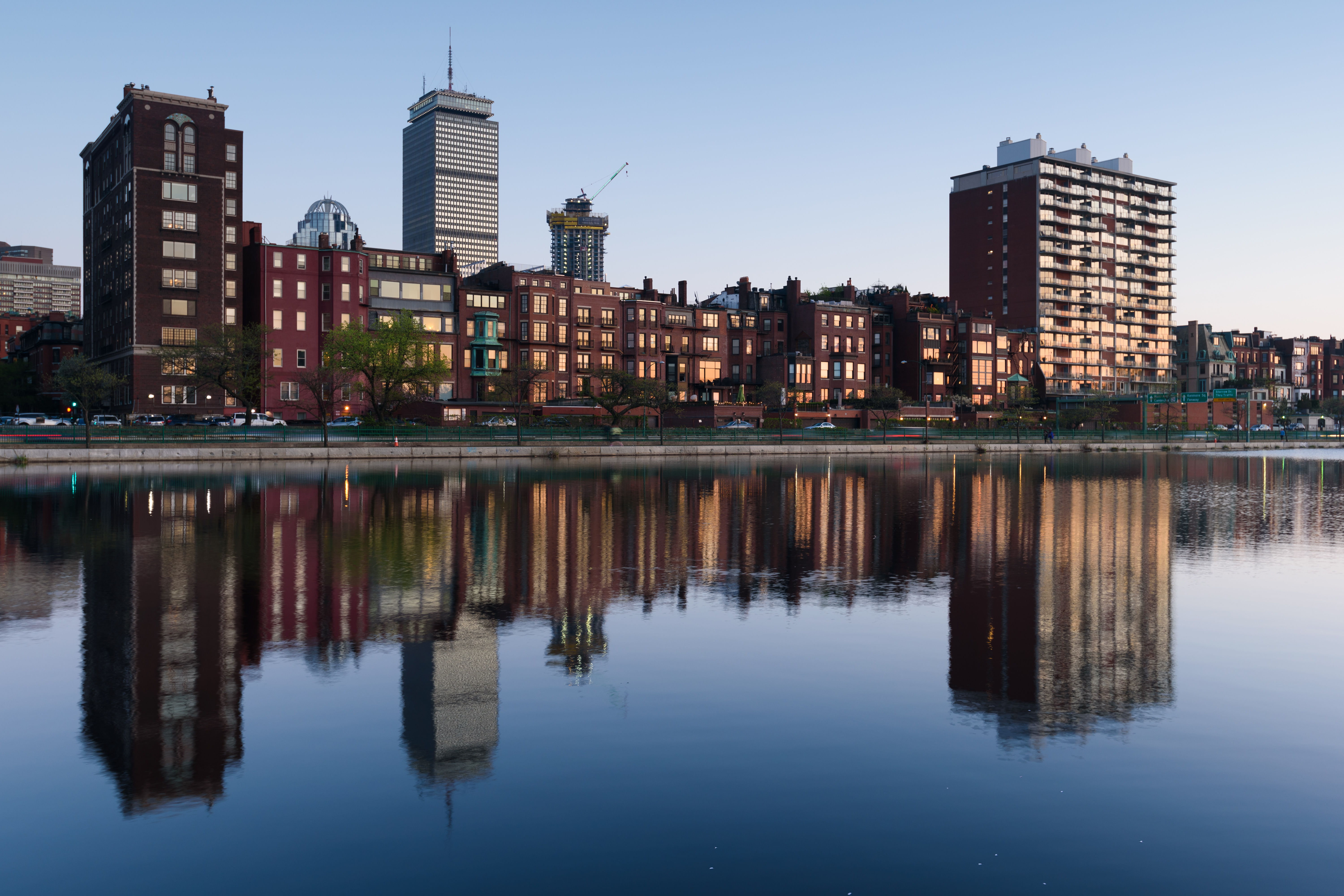
The Charles River Watershed Association is urging the Massachusetts Water Resources Authority to strengthen a proposed sewage-control plan, arguing it would leave rivers vulnerable to pollution during major storms.
MWRA says the roughly $1.3 billion proposal would eliminate combined sewer overflows in a modeled “typical year” under projected 2050 climate conditions. CRWA wants greater protection against larger storms.
Combined sewer overflows, or CSOs, occur when systems carrying both wastewater and stormwater exceed capacity, releasing a mixture that includes untreated sewage into waterways.
In a Nov. 17 statement, CRWA said more than 1,800 public comments came from individuals and organizations in nearly 100 Massachusetts communities. The group characterized the comments as overwhelmingly supportive of stronger controls.
CRWA argues the proposal falls short of Clean Water Act requirements and lacks a deadline for ending discharges entirely. Those are the organization’s positions, rather than findings by regulators or a court.
The group also contends that a stronger alternative would add less than $8 per household monthly for MWRA ratepayers. That comparison is CRWA’s estimate, not a confirmed household rate increase.
MWRA, Cambridge and Somerville submitted the draft plan to federal and state regulators April 30. In its announcement, MWRA said the recommended projects account for increased precipitation associated with climate change.
The authority acknowledged that other alternatives could provide greater control during infrequent storms. It said its recommendation balances reductions in discharges with construction time, neighborhood disruption, impacts on open space and cost.
The proposed Charles River work includes storage tanks, sewer separation and storage conduits. MWRA estimated that portion would cost $690 million and take 28–33 years to design and construct.
The public comment period ended Oct. 30. The draft remains subject to environmental regulatory review.