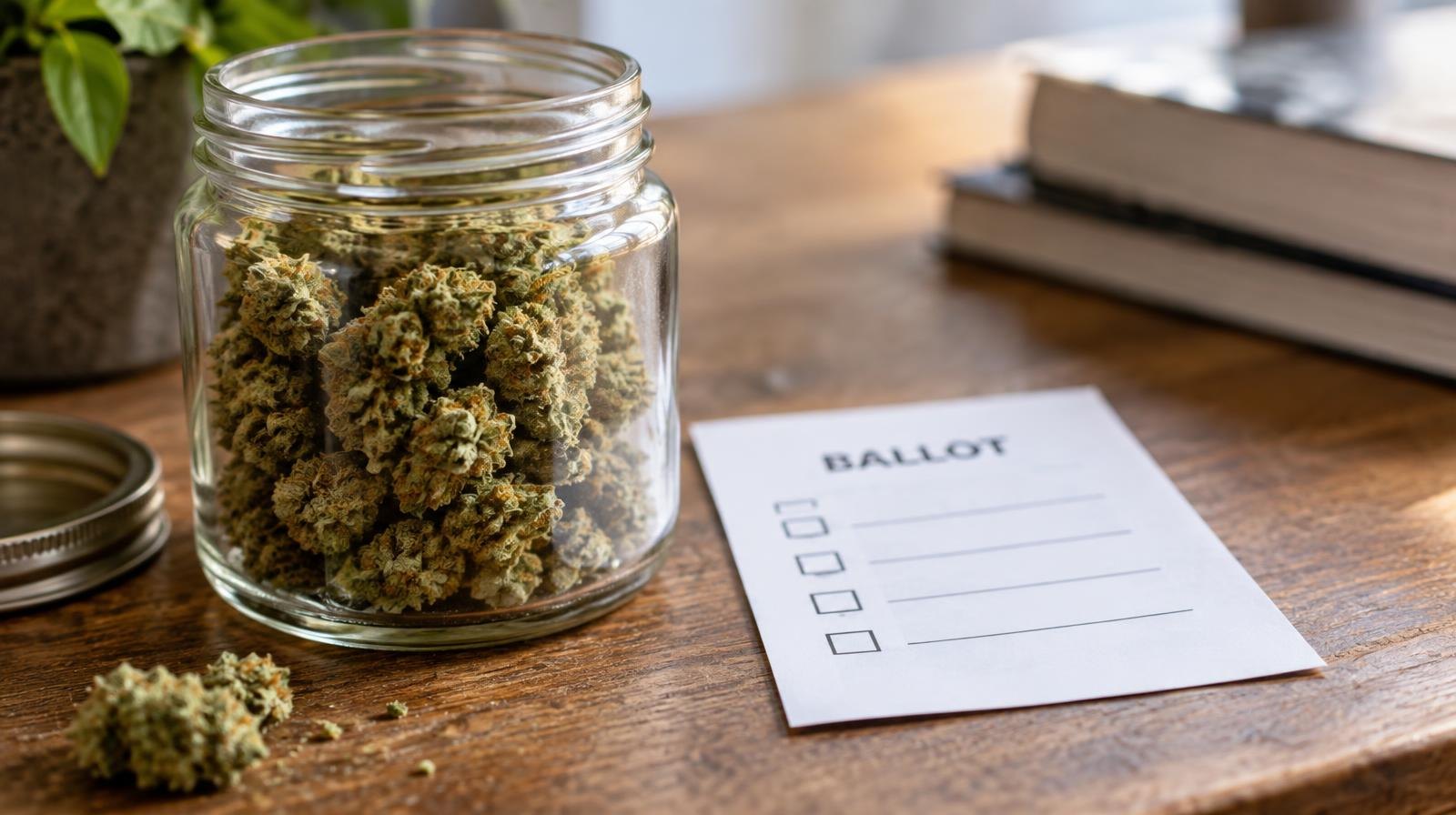
Massachusetts voters will decide Nov. 3 whether to end legal recreational marijuana sales while keeping medical marijuana and limited personal possession legal.
Question 8 would repeal the state’s recreational cannabis regulatory system beginning Jan. 1, 2028. A “yes” vote supports repeal; a “no” vote keeps existing law.
Businesses could apply for expedited medical marijuana licenses, meaning some dispensaries could continue operating for patients rather than recreational customers, according to the official ballot summary.
What would change
Adults 21 and older could legally possess up to one ounce of marijuana, including no more than five grams of concentrate. Possessing more than one ounce but no more than two ounces would bring a $100 civil penalty and forfeiture.
Current law allows adults to carry up to two ounces.
Medical marijuana sales would remain legal, and the Cannabis Control Commission would retain oversight of that market. Existing recreational businesses could also transfer remaining inventory to licensed medical dispensaries.
Massachusetts voters approved recreational legalization in 2016, and retail sales began in November 2018. The state now has approximately 400 dispensaries and 200 other cannabis-related businesses, WBUR reported.
Who is funding the campaigns
The Coalition for a Healthy Massachusetts, which supports repeal, had raised more than $3 million, according to GBH. Nearly all came from Smart Approaches to Marijuana Action Inc., the fundraising affiliate of Smart Approaches to Marijuana.
Former U.S. Rep. Patrick Kennedy and former White House drug policy adviser Kevin Sabet co-founded the parent organization in 2013.
The opposing Committee to Protect Cannabis Regulation had raised more than $2 million, with substantial support from cannabis businesses, GBH reported.
Arguments for repeal
Supporters say the commercial market has made high-potency marijuana too accessible and contributed to addiction and mental health problems.
WBUR cited Mass General Brigham research that found cannabis-related disorders increased nearly fourfold among adolescents receiving emergency psychiatric care after recreational sales became legal. Researchers did not find a significant change among adults. Those findings concern patients receiving psychiatric emergency care, rather than adolescents generally.
In the official voter guide, Dr. Jeffrey Morgan, a retired physician and instructor of medicine affiliated with the repeal coalition, argues that legalization’s social costs exceed its tax benefits. His claim that those costs total $4.50 for every tax dollar collected appears in the campaign’s argument, which the state does not certify as accurate.
Arguments against repeal
Opponents say ending regulated sales would threaten jobs, reduce public revenue and steer customers toward illicit sellers or stores outside Massachusetts.
Ryan Dominguez, executive director of the Massachusetts Cannabis Coalition, told WBUR that the industry employs more than 20,000 people. He argued that regulated sales provide product testing and age restrictions that illicit sellers do not.
The state’s official fiscal analysis reports approximately $330 million in recreational marijuana tax revenue in fiscal 2025: $280 million for the state and $50 million for municipalities.
Polling and local voting
A September University of New Hampshire poll found 71% opposed repeal, WBUR reported.
A separate MassINC Polling Group survey, conducted Sept. 14–22 among 800 likely voters, found 61% planned to vote “no,” compared with 27% supporting the measure.
State Rep. Amy Sangiolo has already held a forum covering Question 8. Recordings are available through the League of Women Voters of Needham.
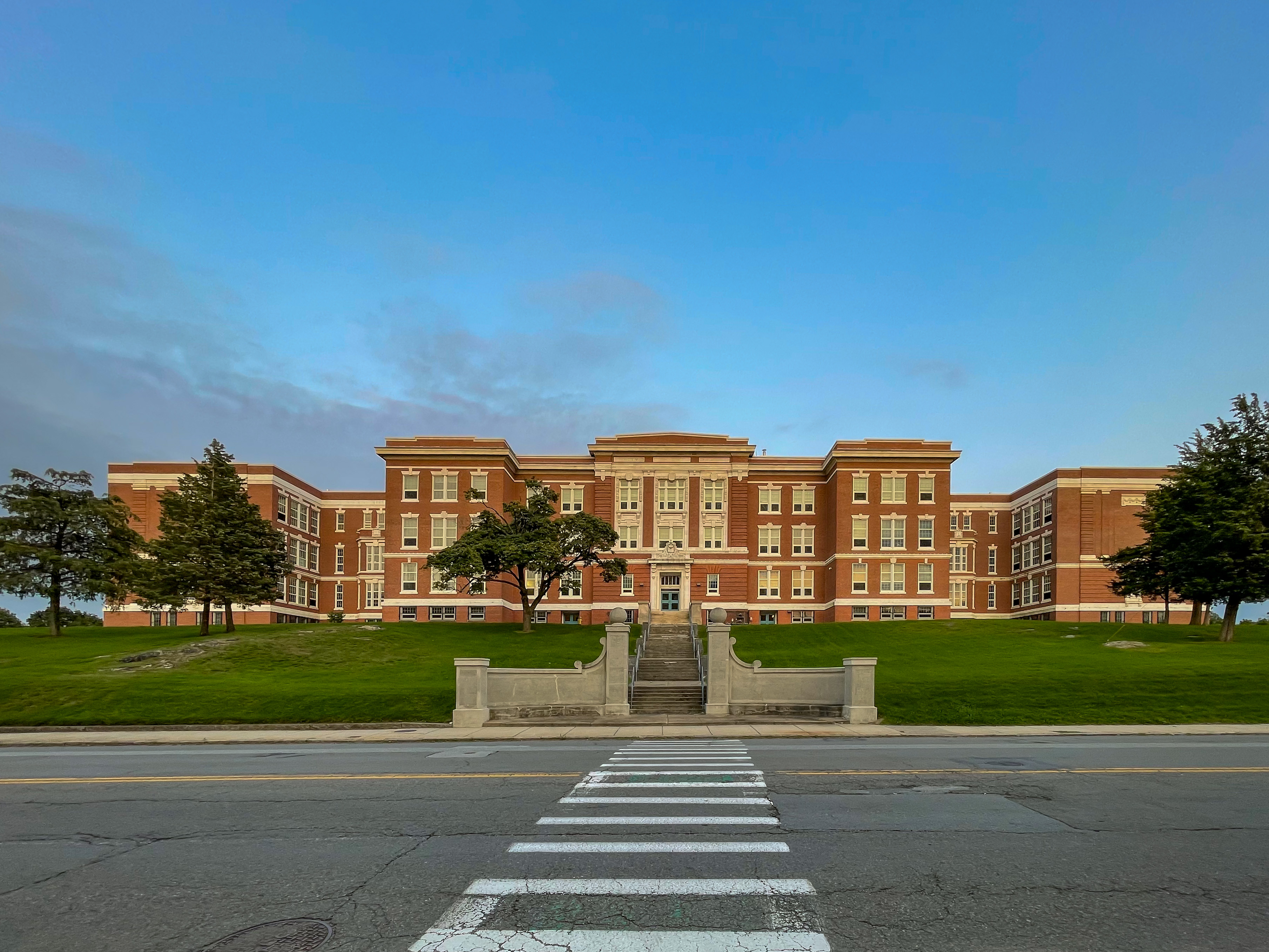
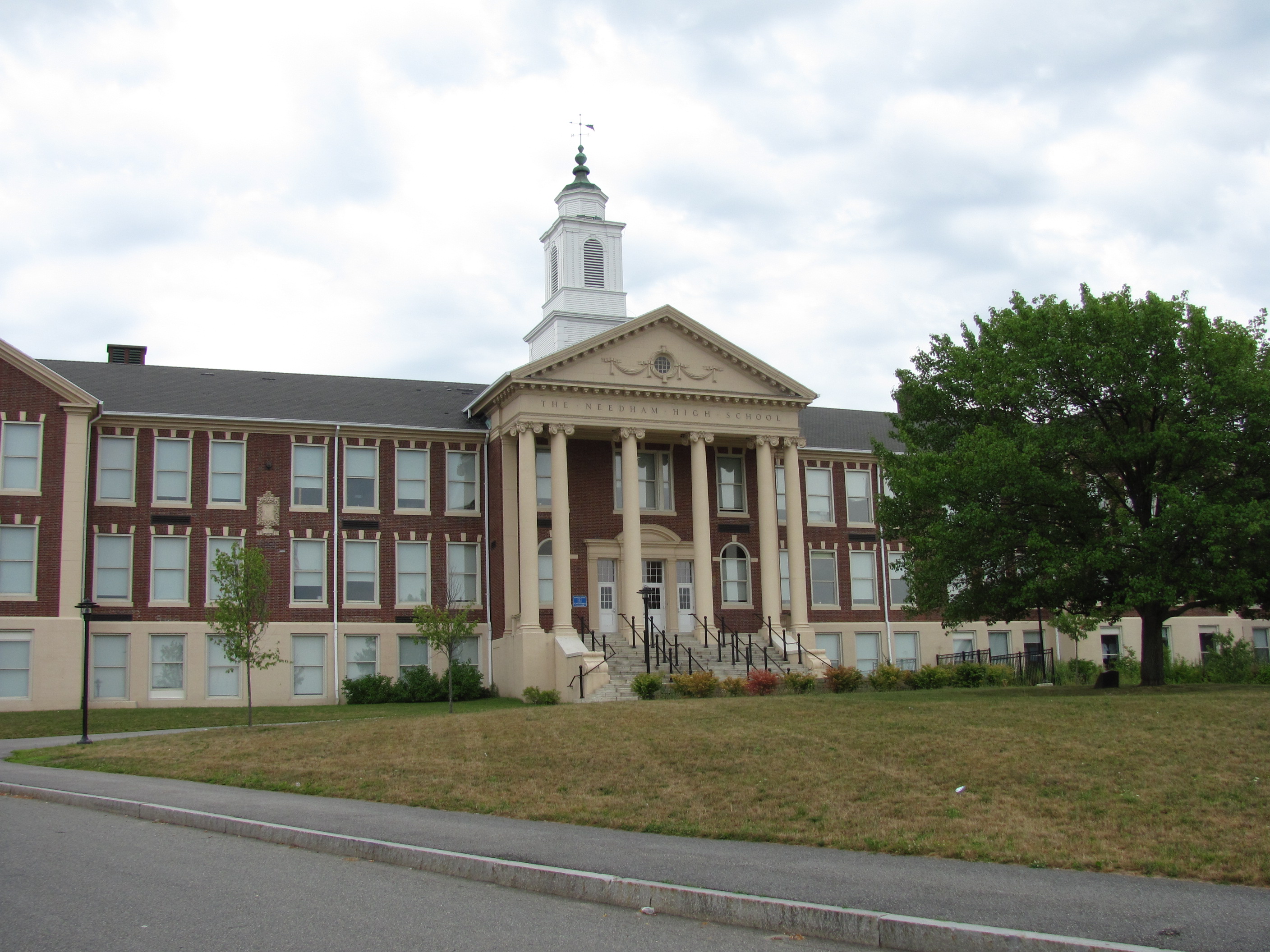
Needham voters will face nine statewide questions and a local question on funding the Pollard Middle School project in the Tuesday, Nov. 3, election.