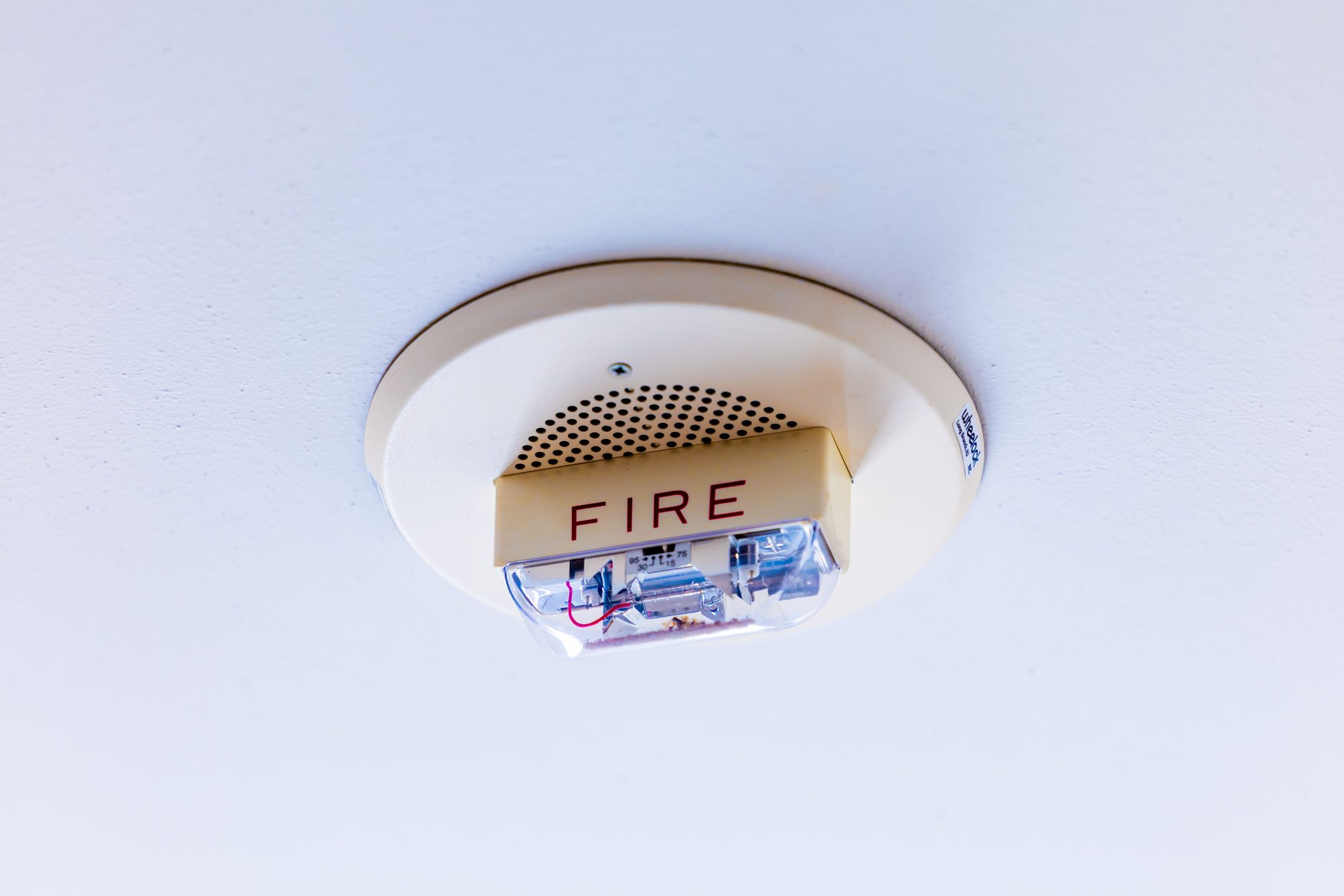
Smoke and carbon monoxide alarms installed after a 2015 fire code update may have reached the end of their 10-year lifespans. State Fire Marshal Jon M. Davine issued a safety advisory urging homeowners to check every alarm in the house before clocks fall back one hour Sunday, Nov. 1.
The warning carries extra weight for Needham and Dedham residents heading into heating season. About 54% of Massachusetts residential fire deaths occur between November and March, according to the state fire marshal's office. Home heating equipment was the second-leading cause of house fires statewide in 2025.
"As we 'fall back' this weekend, please take a few minutes to check the manufacturing date on the back of your alarms, replace them if they're outdated, and put fresh alkaline batteries in the alarms that use them," Davine said.
Why 2015 matters
A 2015 update to the State Fire Code required that replacement smoke alarms in most Massachusetts homes carry sealed, 10-year batteries. Many homeowners bought new alarms to comply. More than a decade later, those same alarms are at or near expiration.
Brockton Fire Chief Brian Nardelli, president of the Fire Chiefs Association of Massachusetts, said smoke alarms should be replaced after 10 years. Carbon monoxide (CO) alarms follow manufacturer instructions, with lifespans of five, seven or 10 years depending on the model.
What to buy
State fire officials recommend choosing photoelectric alarms from a well-known national brand. Look for a testing-lab mark from UL or Intertek/ETL, and pick models with a sealed long-life battery and a "hush" feature. Alarms meeting UL Standard 217, 8th edition or later, use multi-criteria technology to reduce nuisance alarms from cooking smoke.
For alarms less than 10 years old that take alkaline batteries, swap in fresh ones. Test every smoke and CO alarm monthly.
CO hazards rise with the heat
CO is odorless and colorless. Nardelli called heating equipment the main source of carbon monoxide in homes and said working CO alarms on every level of a home are the only way to detect it.
Carbon monoxide incidents begin even before the peak fire season as residents turn up the heat for the first time since summer, the state fire marshal's office said. Massachusetts firefighters responded to roughly 5,000 CO hazard calls last year, according to Davine.
Help for seniors
Adults over 65 face a higher risk of death or serious injury in fires, especially in one- or two-family homes. The Healey-Driscoll Administration has delivered more than $1.5 million to fire departments across Massachusetts through the Senior SAFE grant program for smoke and CO alarm assistance. Seniors who need help installing, testing or maintaining alarms can contact their local fire department or senior center.
Residents can reach the Needham Fire Department at its Highland Avenue station or the Dedham Fire Department at (781) 751-9400.