Needham and Dedham residents who use the Charles River have until Oct. 30 to tell regulators they want sewage overflows stopped.
Clean water advocates rallied on the Charles River Esplanade on Tuesday, Sept. 8, under the banner "Cut the Crap," demanding an end to combined sewer overflows (CSOs). The overflows send partially treated sewage into the Charles during heavy rainstorms, and advocates say they are growing more frequent because of climate change.
The Massachusetts Water Resources Authority (MWRA) and the cities of Cambridge and Somerville submitted a draft long-term control plan on April 30 to address nine of the ten remaining CSO outfalls on the Charles, according to the Charles River Watershed Association. That plan is open for public comment through Oct. 30. After the comment period closes, the U.S. Environmental Protection Agency (EPA) will review it before the Massachusetts Department of Environmental Protection (DEP) gives final approval.
Advocates say the draft plan falls short.
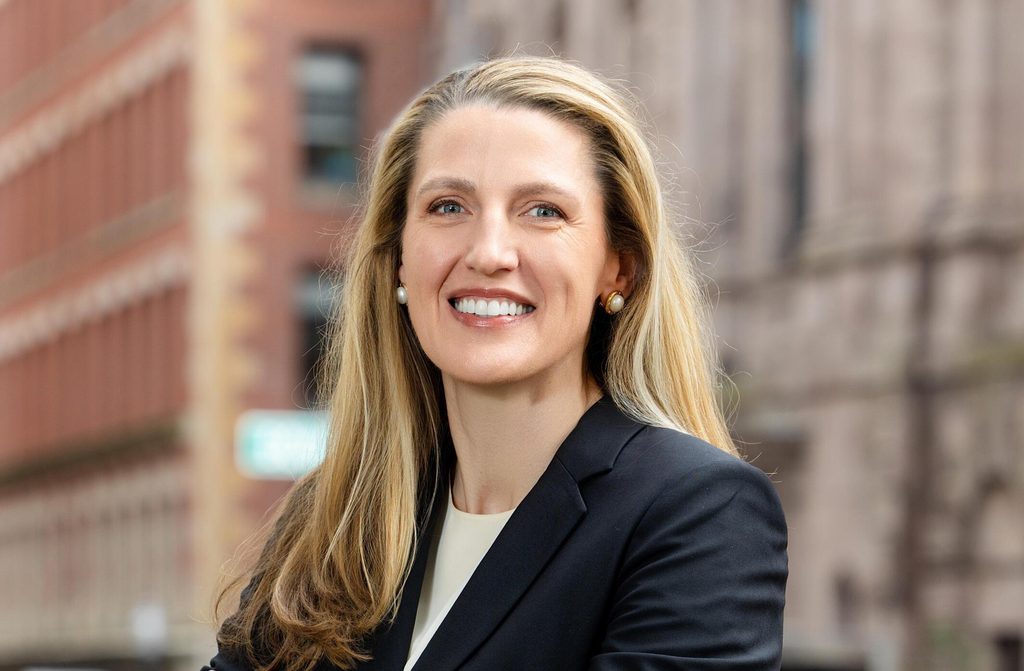
Emily Norton, executive director of the Charles River Watershed Association, said the plan would allow sewage discharges to continue on a semi-regular basis. "We call on our regulators to tell the MWRA, no, you cannot continue to use the Charles as a toilet; you have to make the necessary investments to clean up your act," Norton said at the rally.
The CRWA's campaign argues the cost difference between the current draft and a stronger, sewage-free alternative amounts to less than a few dollars per household per month for most Greater Boston households, according to the campaign's action page.
The issue hits close to home for Dedham. The Town of Dedham posted a public health advisory on July 21 warning residents about a cyanobacteria bloom on the Charles River recommended by the Massachusetts Department of Public Health. The CRWA said it was the third consecutive summer the river experienced such a bloom.
In 2024, the Charles saw 10 CSO events, according to the CRWA's annual flagging report. In one December 2024 storm, partially treated sewage was dumped at the Cottage Farm facility near the BU Bridge, and the CRWA warned the public to avoid the water downstream for 48 hours.
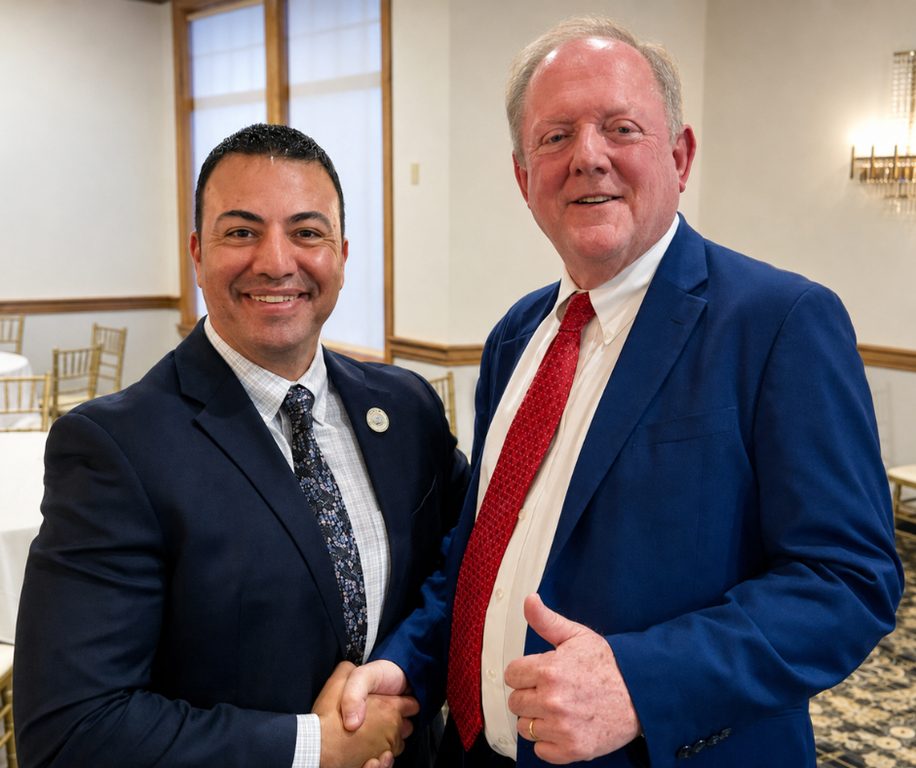
State Rep. Greg Schwartz, a physician, spoke at the rally and called for an end to CSOs statewide. Schwartz has filed legislation that would eliminate combined sewer overflows across Massachusetts by 2050. The bill sits in the House Committee on Ways and Means, according to a CRWA legislative update from August.
Brad Campbell, president of the Conservation Law Foundation, Patrick Herron, executive director of the Mystic River Watershed Association, and David McGlinchey, executive director of the Massachusetts Rivers Alliance, also spoke.
Residents can submit comments on the MWRA's draft plan at cutthecrapcharles.org before the Oct. 30 deadline.