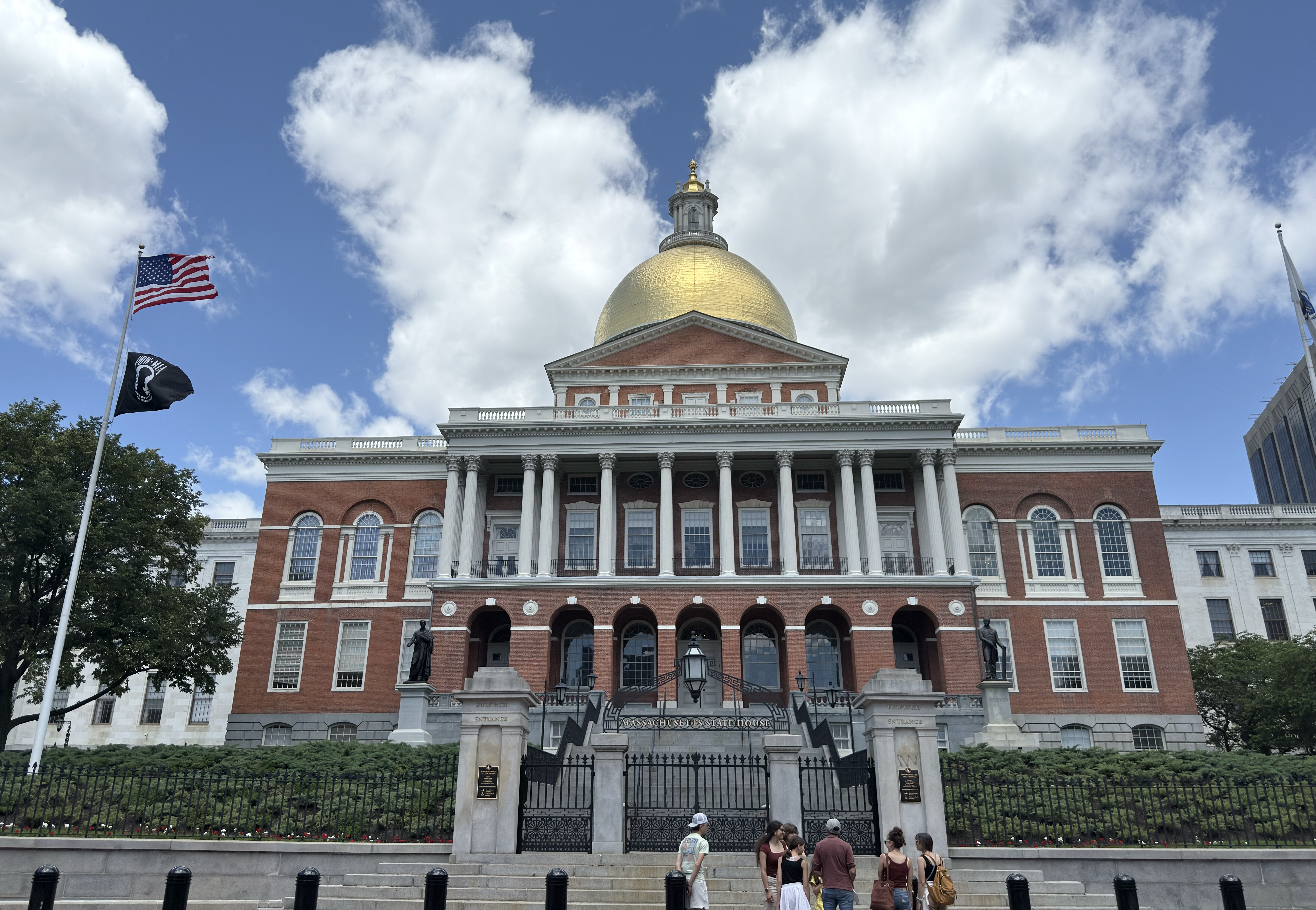
Journalists who cover Needham and Dedham town government, schools and nonprofits would gain new legal protection under a press shield law that state Sen. Becca Rausch steered through the Massachusetts Senate on Thursday, July 30.
The Senate adopted Rausch's amendment unanimously, moving Massachusetts one step closer to joining the 41 states that already bar the government from forcing reporters to reveal confidential sources. The Needham Democrat has filed shield legislation every term since she first took office.
"As we see repeated attacks on the press, we need to fix it now," Rausch said on the Senate floor, according to Massachusetts Lawyers Weekly.
What the law would do
Under current Massachusetts law, courts decide case by case whether a journalist must name a source. The state Supreme Judicial Court has never recognized a reporter's privilege and has said the fix belongs with the Legislature.
Rausch's amendment, designated Amendment 17 to S.3200, would bar judges, grand juries and other government bodies from compelling a journalist to identify a confidential source unless a court finds, by clear and convincing evidence, that the information is critical to a legal claim, cannot be obtained any other way and that an overriding public interest demands disclosure.
Massachusetts is one of only nine states without a shield law. Every bordering state already protects reporters and their sources, according to the Item.
Why it matters locally
The shield law would apply to any reporter covering a confidential tip about a school budget dispute, a zoning complaint or misconduct at a local nonprofit. Without it, a source who shares information with a community journalist risks exposure if a subpoena lands.
The real-world cost is not hypothetical. The Berkshire Eagle spent $16,000 in legal fees in 2022 fighting a subpoena that arose from its investigation into the Springfield Diocese's handling of clergy abuse allegations, the Boston Globe reported.
Robert J. Ambrogi, executive director of the Massachusetts Newspaper Publishers Association, said the unanimous vote marked the first time lawmakers have stated plainly that Massachusetts should not be an outlier on press freedom. He credited Rausch for carrying the bill with persistence across multiple sessions.
The shield provision was attached to the Senate's broader public records bill, S.3200, which passed 34-6. The House version of that legislation, H.5469, does not include shield language, so the two chambers must reconcile the difference in a conference committee before anything reaches the governor's desk.
The Senate acted on the second-to-last day of scheduled formal sessions for the year. No conference committee timeline has been announced, but negotiations could extend into late 2026. Ambrogi urged conferees to keep the shield language in the final bill, saying reporters in Massachusetts have waited long enough for protections that journalists in 41 other states already have.